Hell is God's Mercy
Everyone who does wicked things hates the light and does not come toward the light. But whoever lives the truth comes to the light.--Jn 3:20-21
The gates of hell are locked from the inside.--C.S. Lewis
When I was young, naïve, and idealistic—weren’t we all?--I couldn’t believe that God sent people to hell. The idea of being eternally separated from God was unthinkable. But now that I’m older and more experienced, sadly, I believe some people voluntarily want to go to hell.
During big snowstorms, I recall St. Teresa of Avila who said, “Souls fall into hell like snowflakes.” We’re advised, "Enter through the narrow gate; for the gate is wide and the way is broad that leads to destruction, and there are many who enter through it” (Mt 7:13).
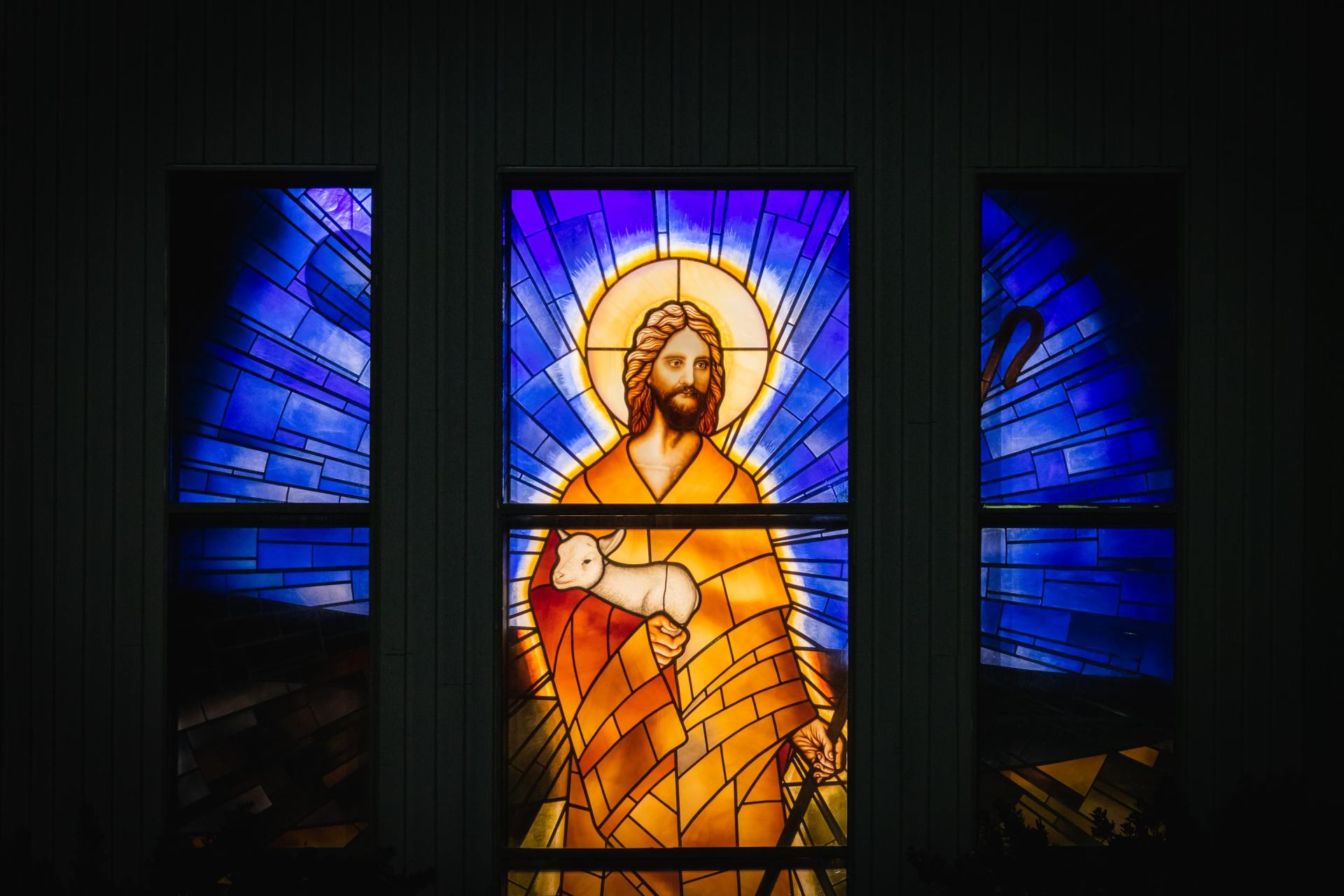
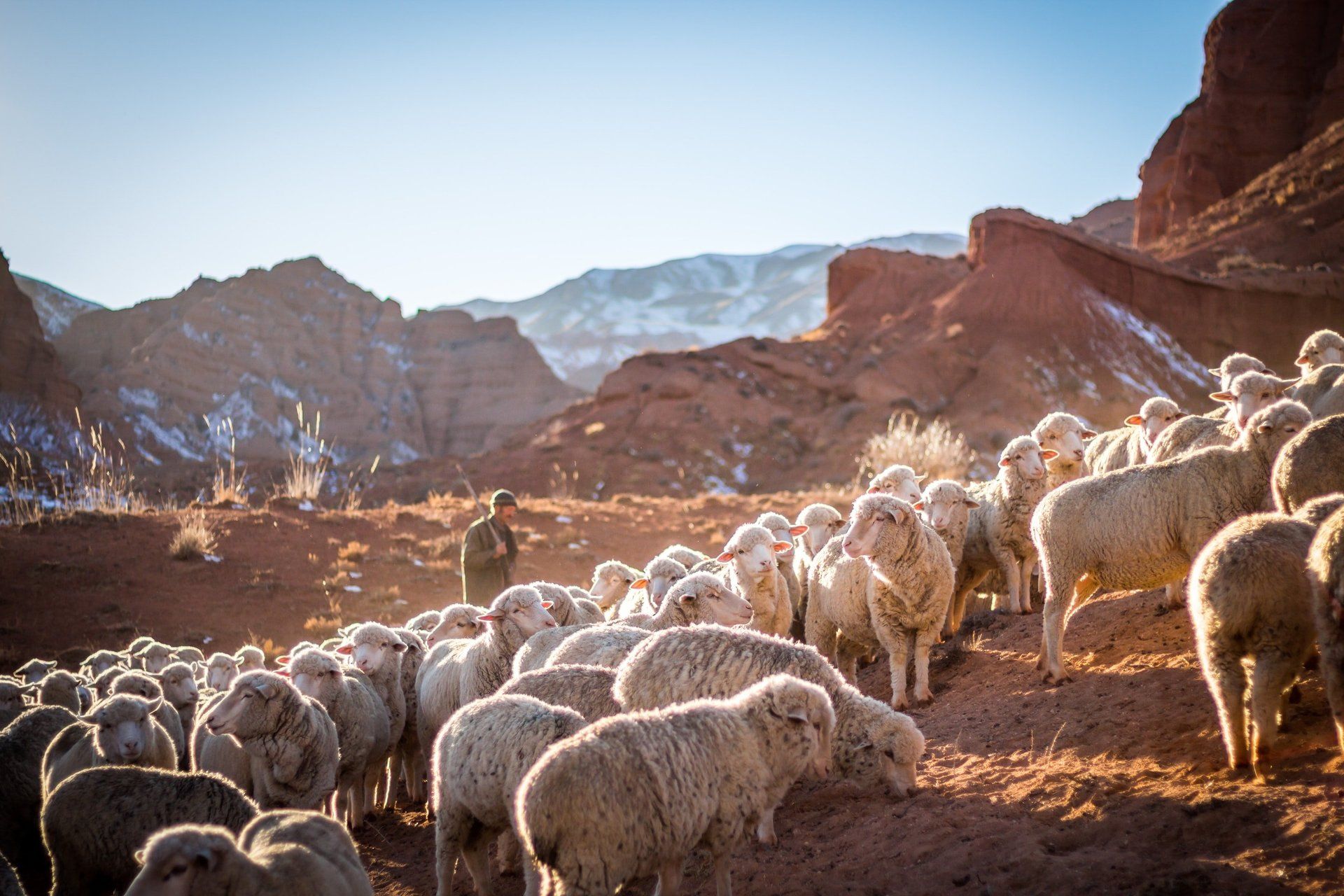
Jesus went to a lot of trouble to save us. God didn’t create us to damn us. He wants to save us more than we want to save ourselves. No earthly shepherd would leave ninety-nine sheep in the desert and go after the lost one until he finds it (Lk 15:4). But God would. God, though, must respect our freedom.
C.S. Lewis’ infamous demon Screwtape is right when he says, “Everyone ends up where they want to be.” I’m actually a bit grateful when I sin and humbly repent because it keeps me from the biggest sin: Pride. Pride is the belief that your life is yours and you can do what you want. You are your lord and master. We, on the other hand, know who our Lord and master is. The theme song of hell is, "I did it 'My Way.'” There are two kinds of people: those in heaven who say to God, "Your will be done," and those in hell to whom God says, "Your will be done."
In heaven, the saved freely surrender their free will to be totally directed by the holy Spirit (NAB commentary, Rom 6:1-11). Otherwise, you'd hear me cursing for joy. We'll finally be able to love the Lord our God with all our heart, with all our soul, with all our mind, and with all our strength (Mk 12:30). We're on our way to heaven if we can say St. Ignatius Loyola's "Dedication to Jesus" prayer:
"Lord Jesus Christ, take all my freedom, my memory, my understanding, and my will. All that I have and cherish you have given me. I surrender it all to be guided by your will. Your love and your grace are wealth enough for me. Give me these, Lord Jesus, and I ask for nothing more. Amen."
The lost, on the other hand, retain their free will. "No one--including God--is going to tell me what to do." Like the devil, they think it's "better to reign in hell than serve in heaven" (John Milton, Paradise Lost, 1674, 1.263). The damned want to live their afterlife the way they lived their earthly life--free from God. What's hard for those who want to be saved to understand is that unlike us, the doomed prefer hell to nonexistence. (What will they do in their bodies after the general Resurrection?)
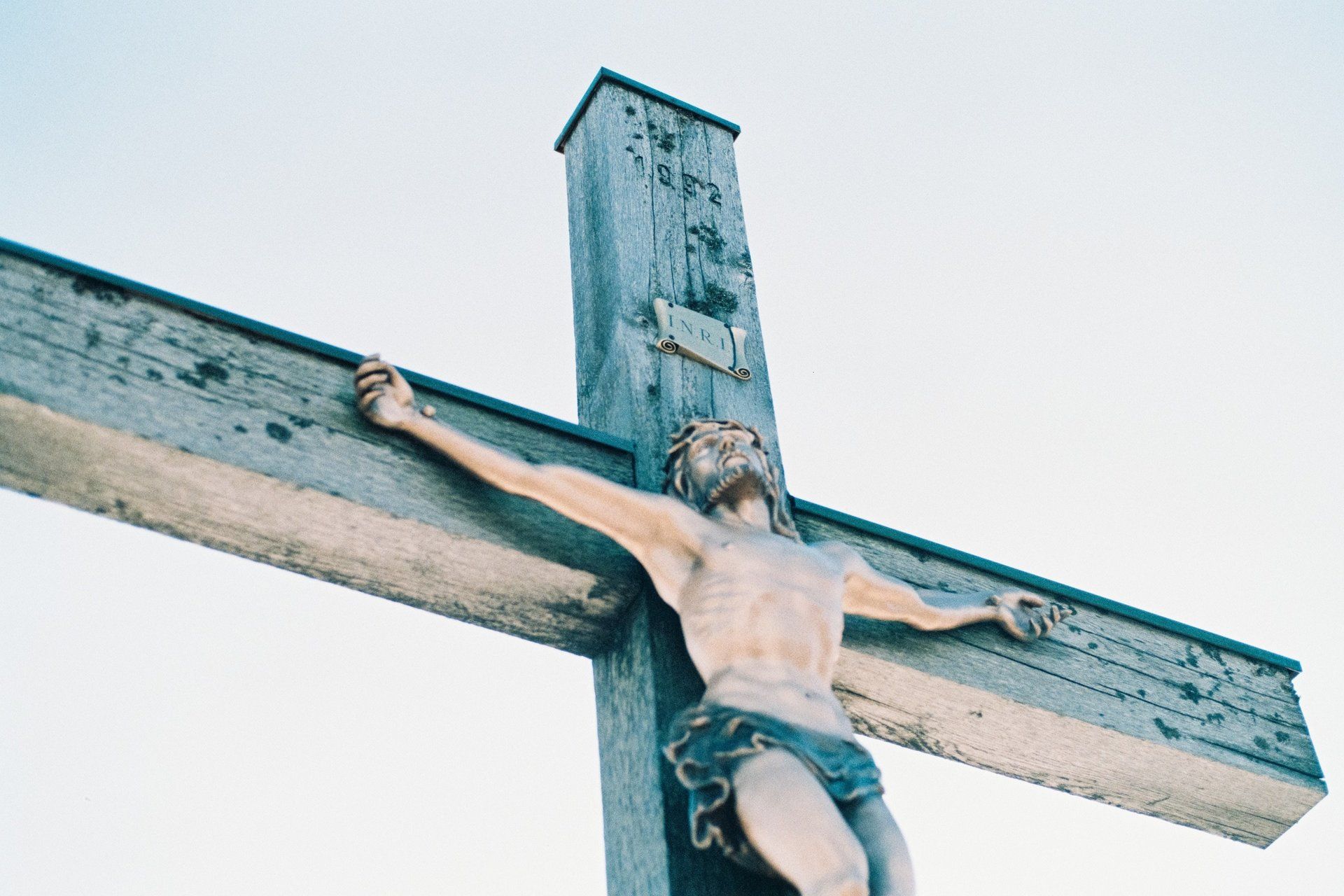
"By the end of life, the will has made its choice. Our love is either for God, or for self as distinct from God. Love of God takes us to God. Love of self as distinct from God takes us to a separation of self from God. The lost do not want annihilation. Love of self carried to that intensity would involve a clinging to self at all costs" (Frank Sheed, Theology for Beginners, 1957). "For whoever wishes to save his life will lose it, but whoever loses his life for my sake will save it" (Lk 9:24).
God doesn’t send anyone to hell. It’s "our own free choice" (Catechism of the Catholic Church 1033). God "wills everyone to be saved and to come to knowledge of the truth" (1 Tm 2:4). God is the father that runs to embrace and kiss his lost son; he throws a big party because his son repents and turns back (Lk 15:11-32). Sorry Calvin, but "God predestines no one to go to hell" (CCC 1037). God does indeed know where we’ll end up, but from our side it’s a still undetermined and free choice. Hell, however, is God’s mercy.
Remember that '90s sitcom Family Matters? Steve Urkel Nerdy Steve Urkel is madly in love with his next door neighbor Laura. He’s always saying, over and over, multiple times, “I love you Laura.” Unfortunately, Laura doesn’t feel the same. She’s actually visibly pained every time Urkel professes his deep love.
God is all love, all the time, an infinite love. "We cannot be united with God unless we freely choose to love him" (CCC 1033). If a person doesn’t love God back, failing to repent, God's love is excruciating. The only answer is to get away. And God gives them a break. God lets them go, because he’s nice, "for he himself is kind to the ungrateful and the wicked" (Lk 6:35b). He still loves them unconditionally, but the damned don’t have to be in his immediate, agonizing presence, "wailing and grinding their teeth" (Mt 8:12). His justice is merciful and his mercy is just.
People in hell--freely separated from God--are still endlessly in torment because they definitively rejected God, who is the only reason for their existence. But that's how they want it; they're never going to follow heaven's program. Therefore, praying for the souls in hell is of no value. God, however, in his mercy, makes their self-willed suffering much less than it should be.
When Jesus was casting out Legion, "a very large number of demons" (Lk NAB commentary), from the Gerasene demoniac (Lk 8:26-39), Legion begs Jesus not to torment them. Legion "pleaded with him not to order them to depart to the abyss," "the prison of Satan" (Lk NAB commentary). Legion pleaded to enter the swine instead. "And he let them." But it ended badly for Legion, as expected. Nonetheless, God loves and has mercy on all his creatures, even his eternally separated enemies.
However, we're not to love the fallen angels, our sworn eternal enemies, no sympathy for the devil. For us, this means war! which we win. Victory is ours, through Christ, our Lord. Amen.
From St. Faustina Kowalska's diary:
"Divine Mercy, greatest attribute of God, I trust in you."
St. Cardinal John Henry Newman:
"The soul who has chosen to reject God, if he were to enter heaven, would find no one like himself there, therefore it would be hell for him."
Share this with someone!